 Image 1 of 8
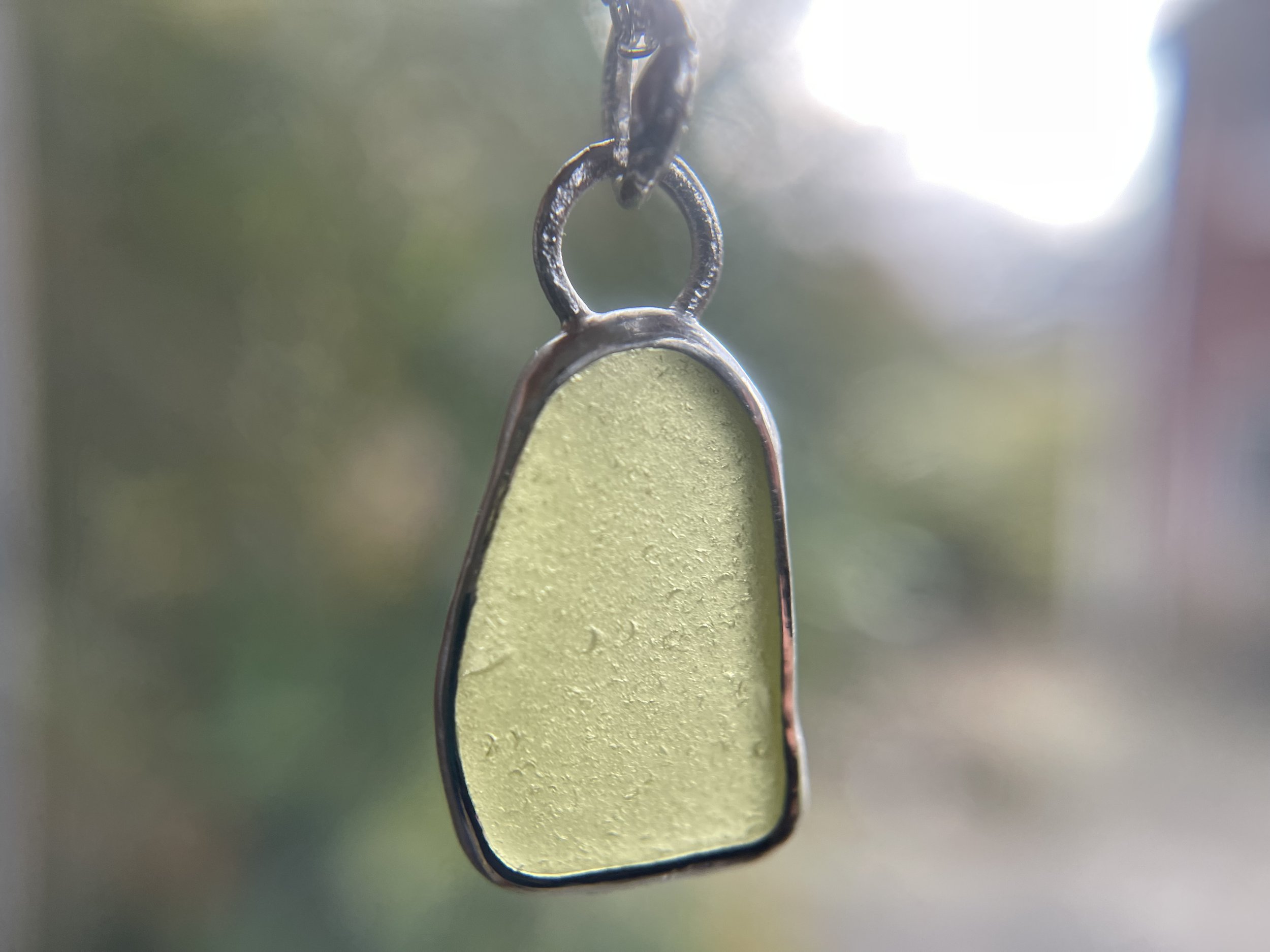 Image 2 of 8
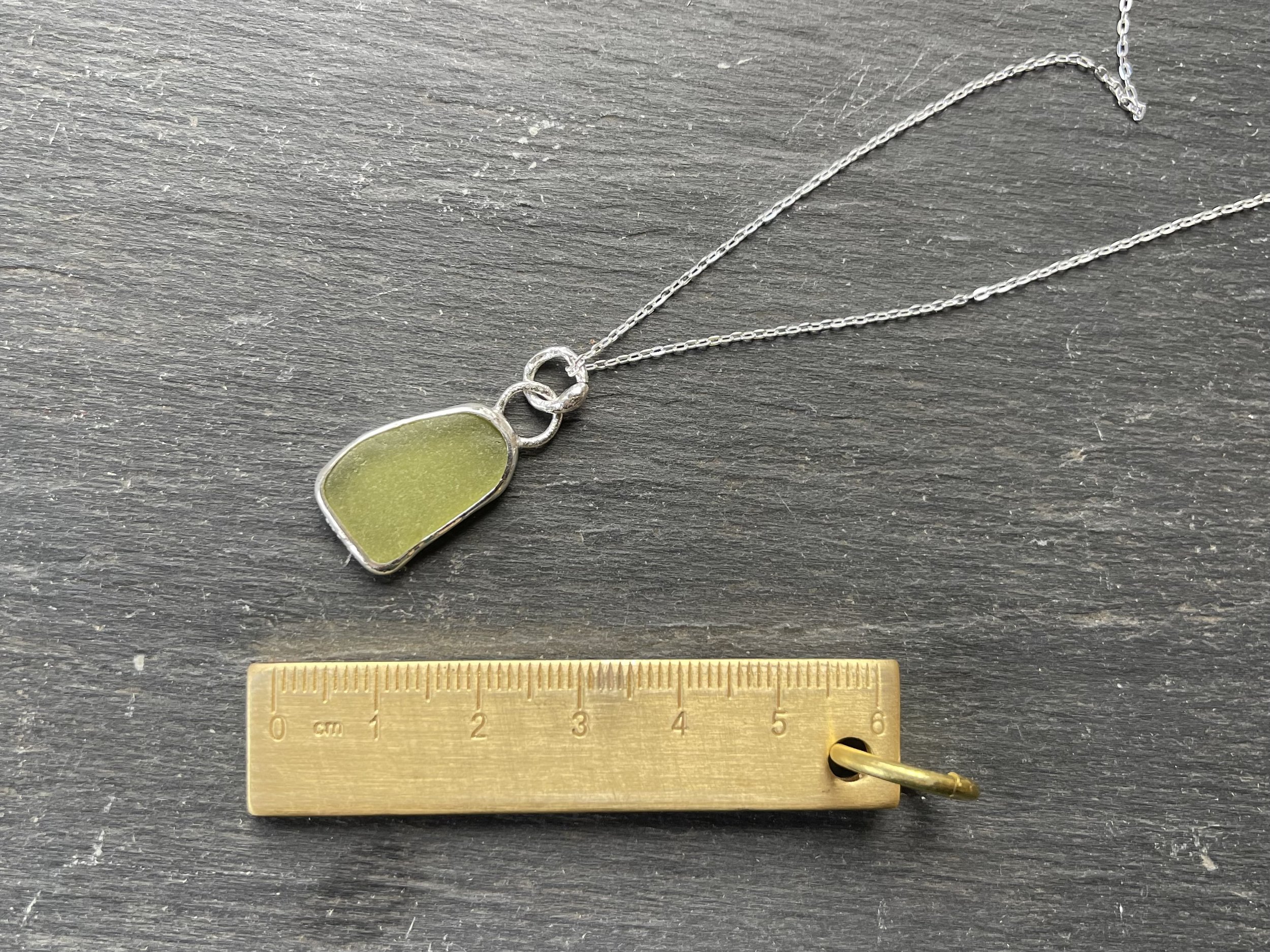 Image 3 of 8
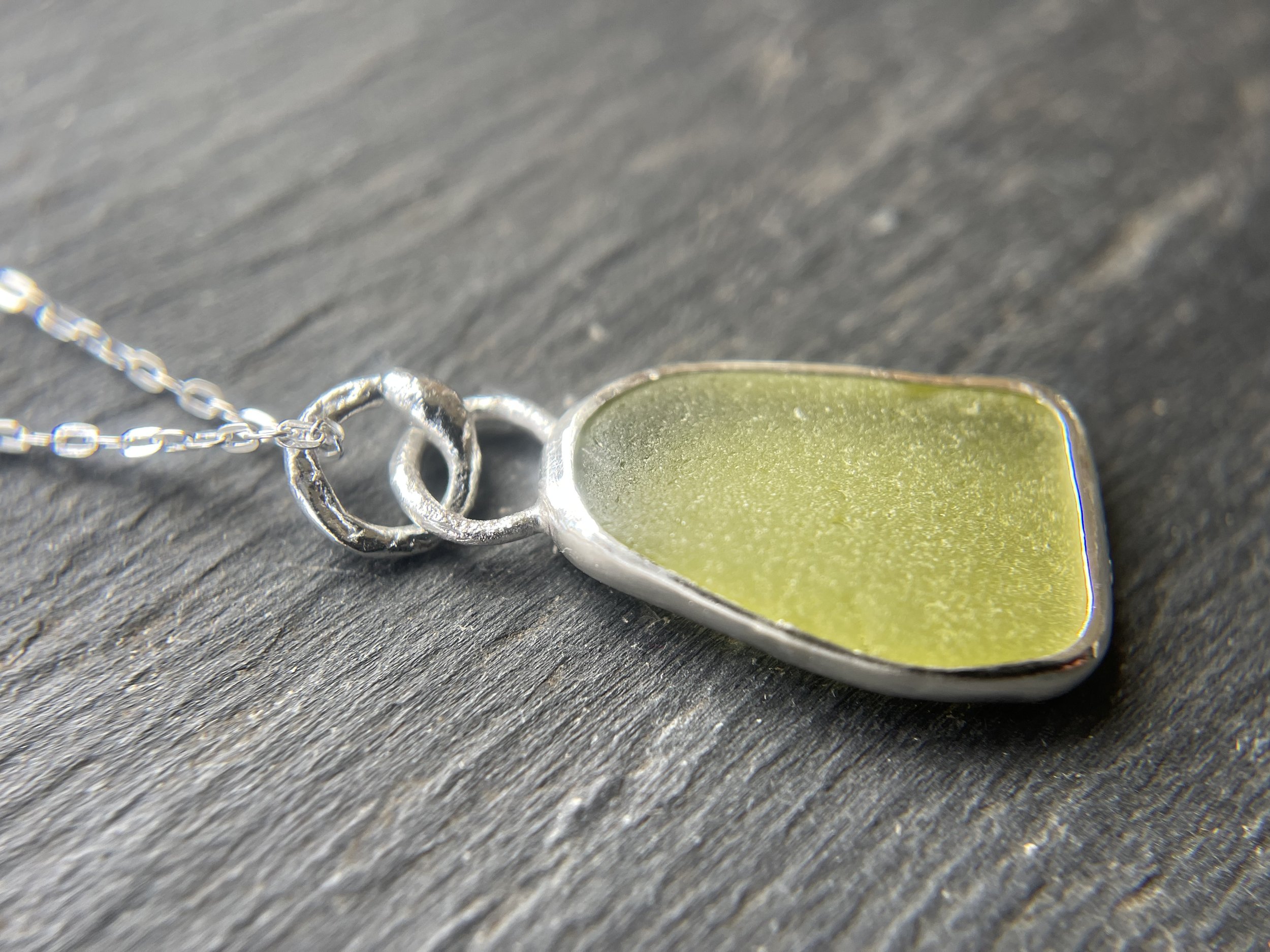 Image 4 of 8
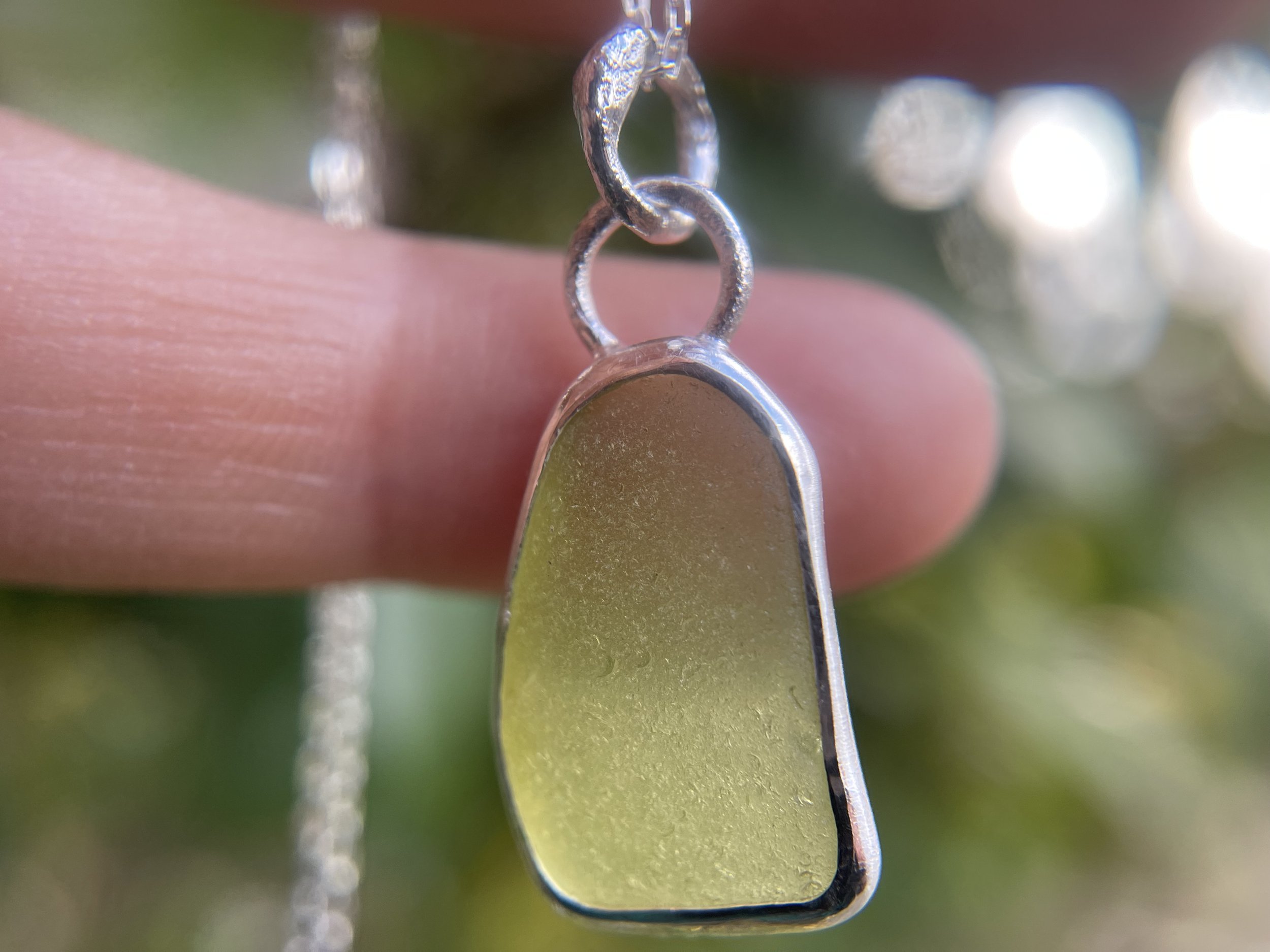 Image 5 of 8
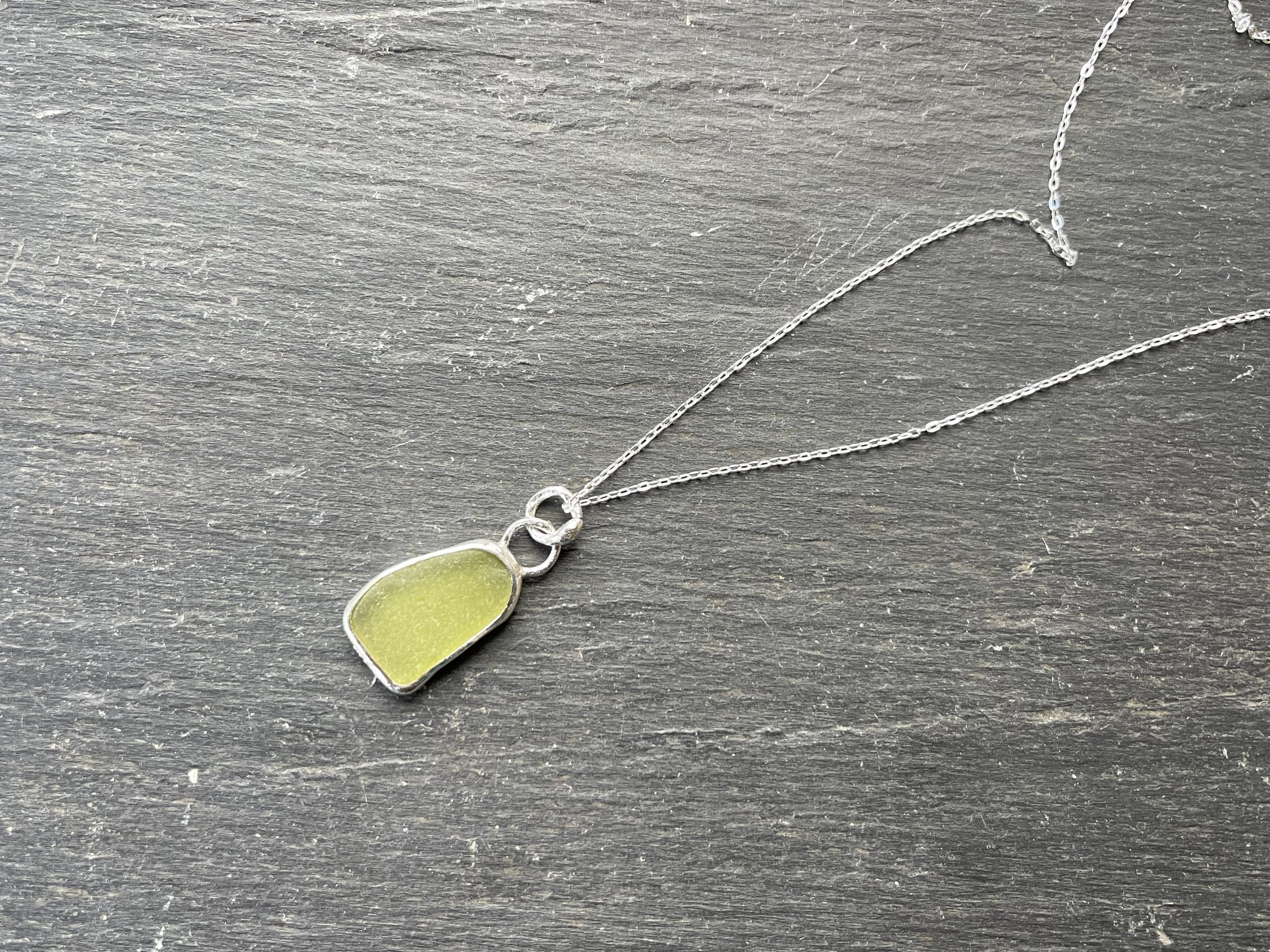 Image 6 of 8
 Image 7 of 8
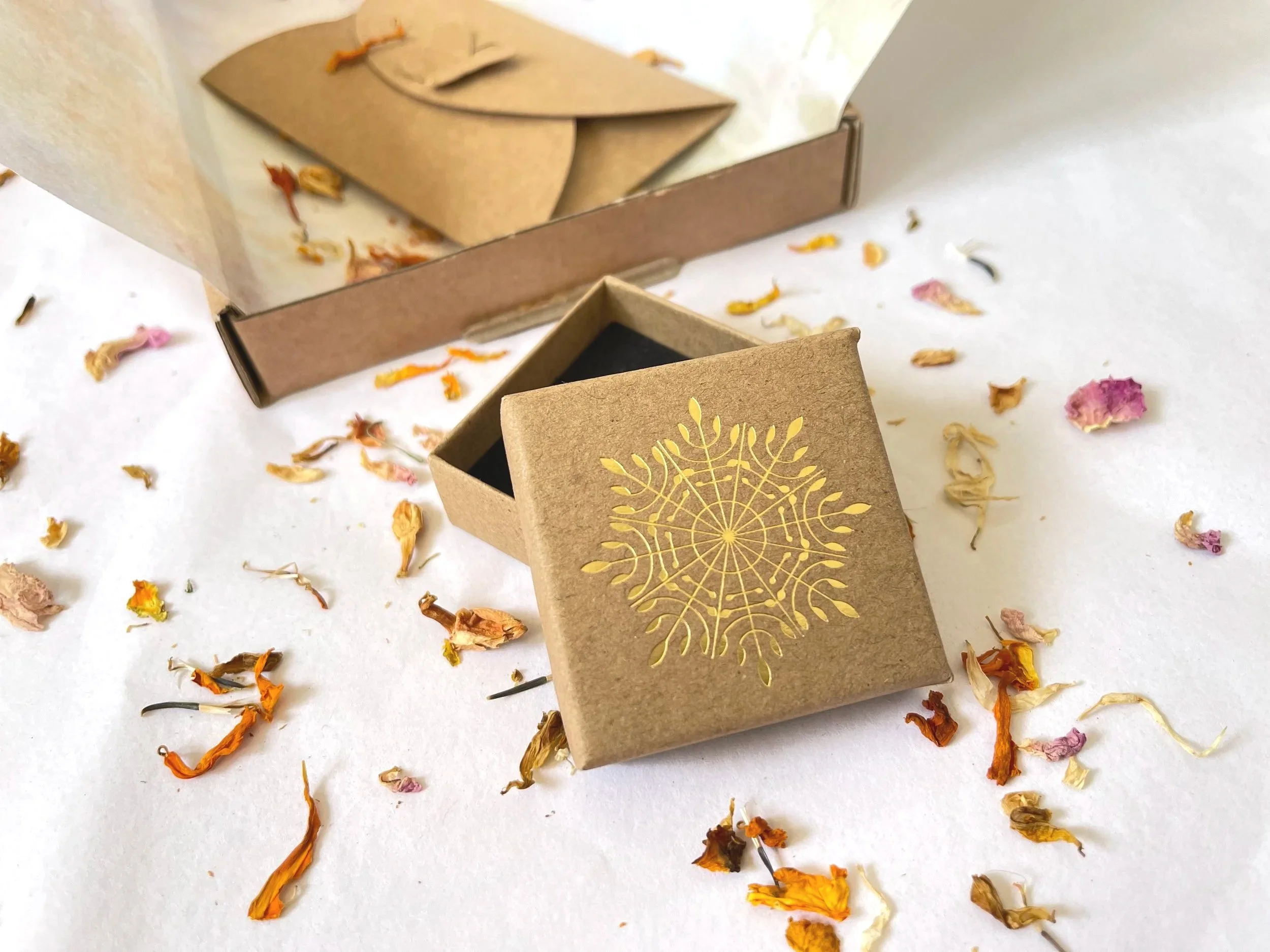 Image 8 of 8
THE STORY & OCEAN HISTORY
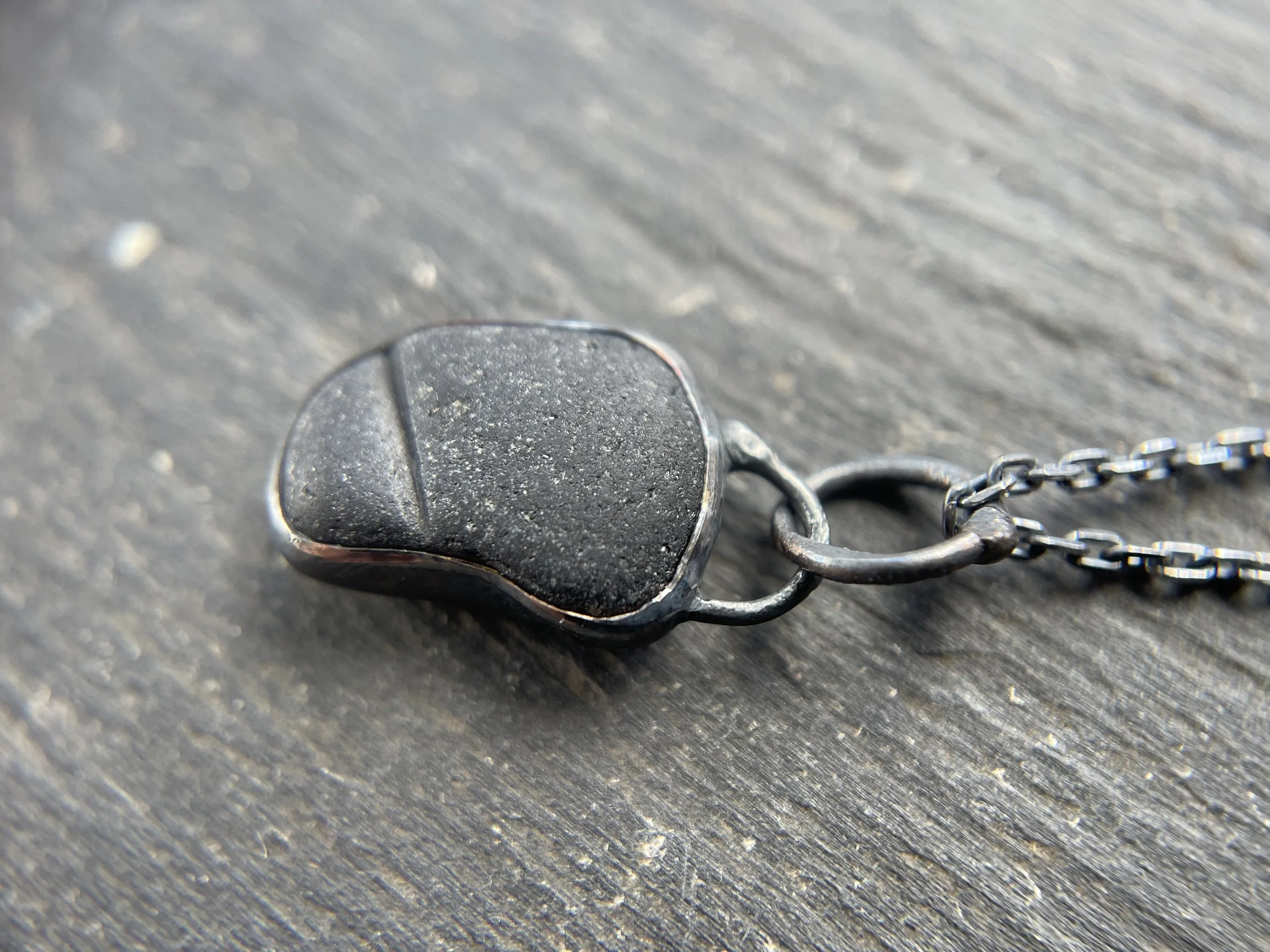
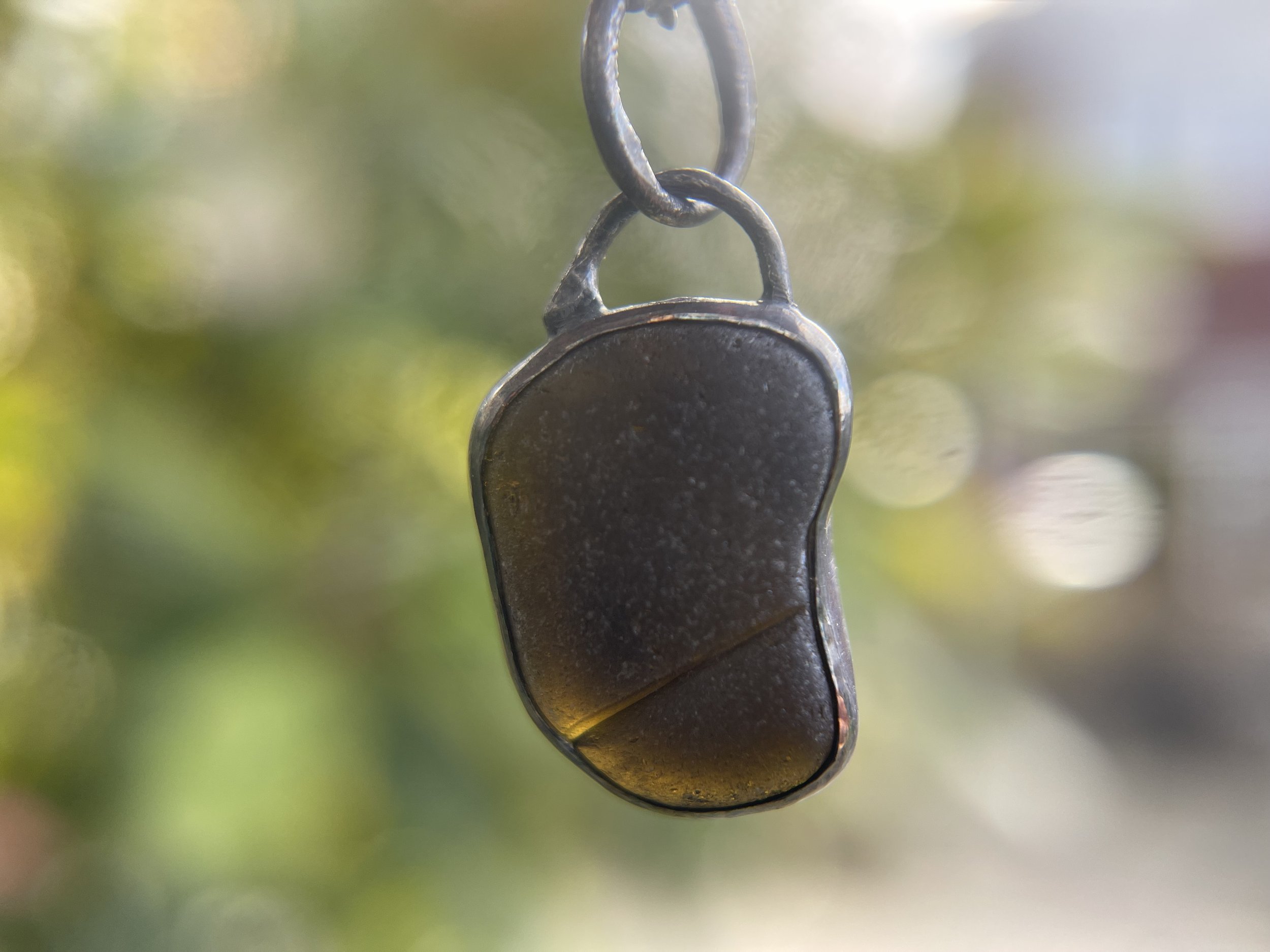
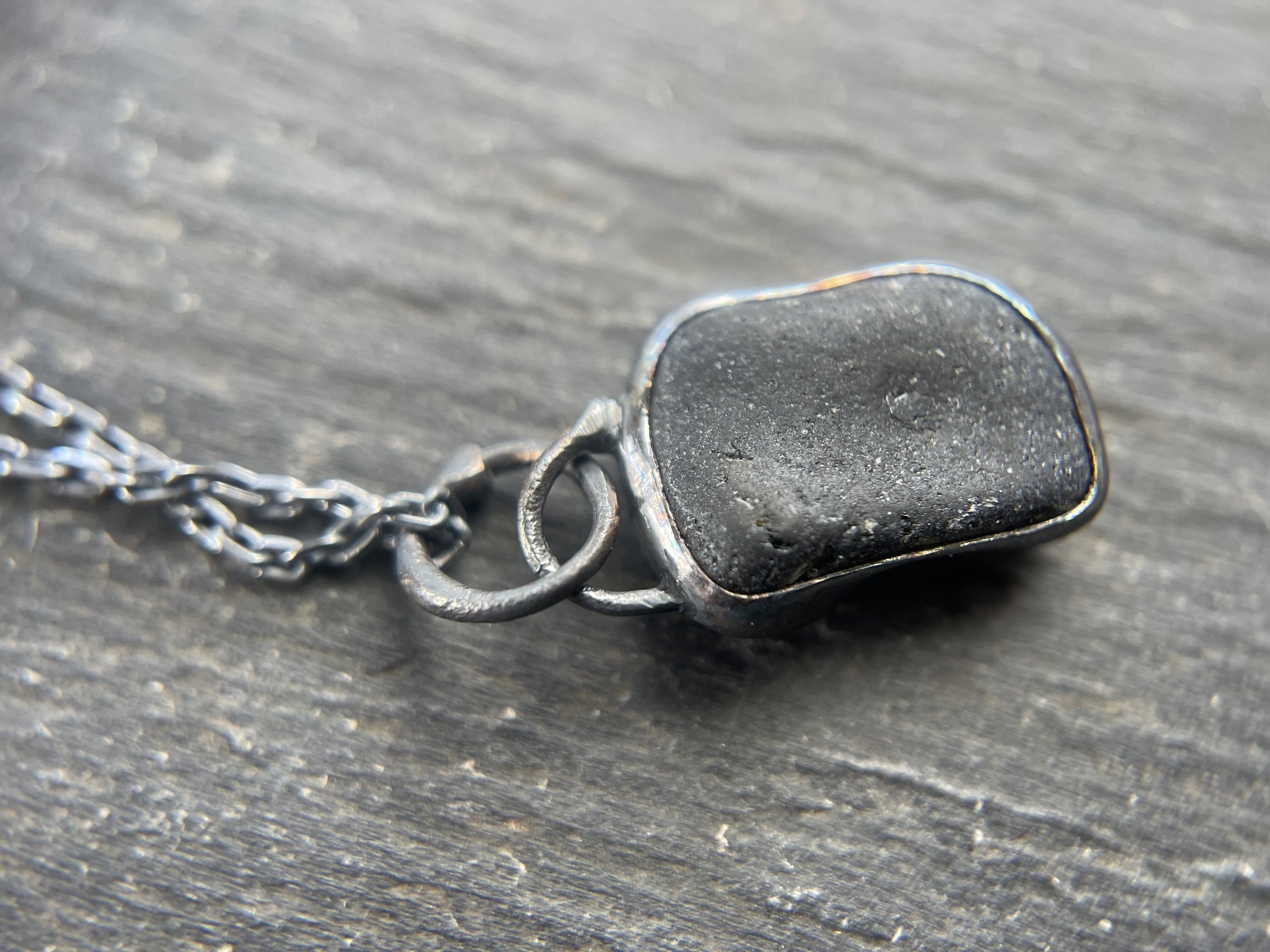
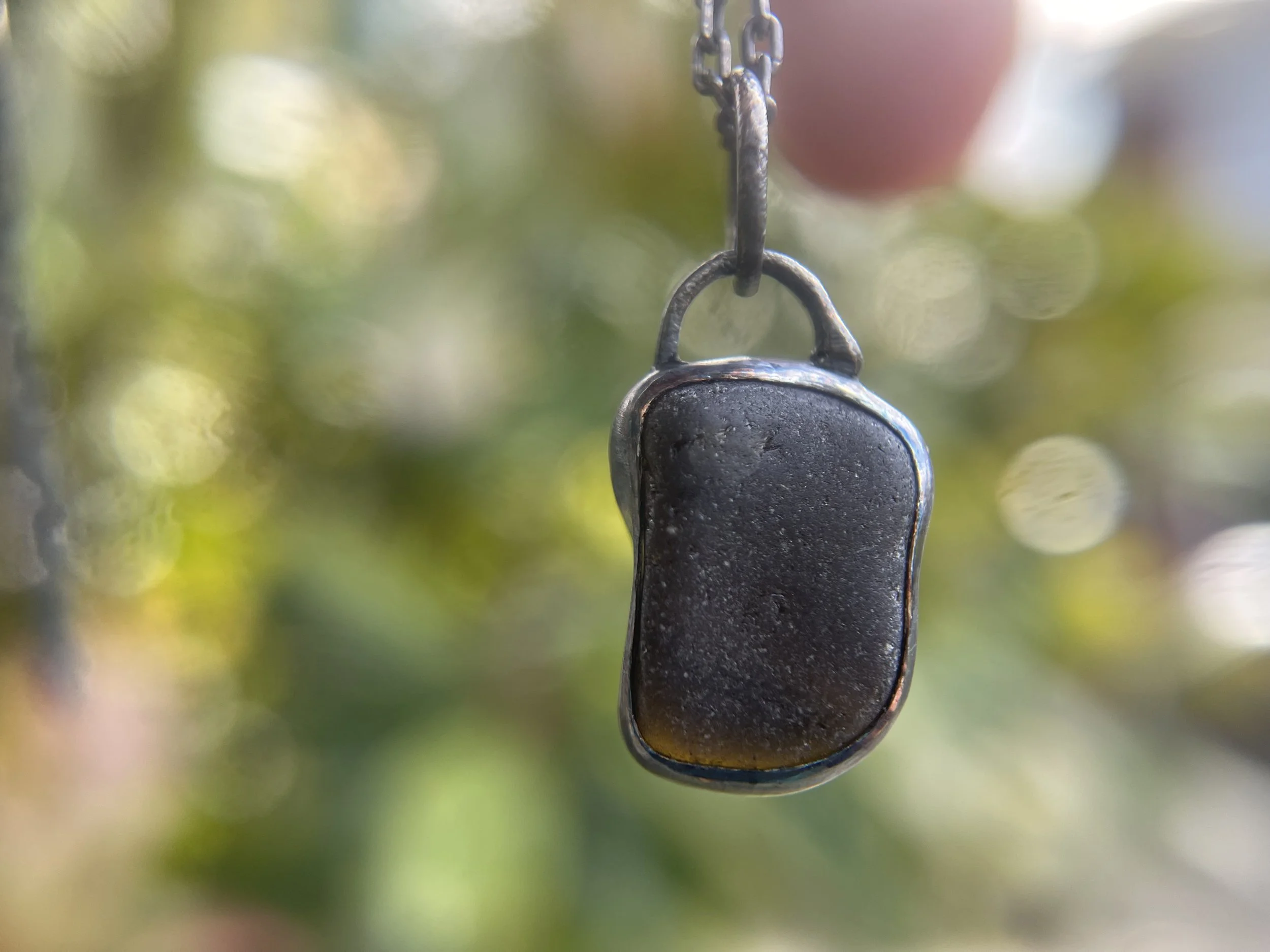
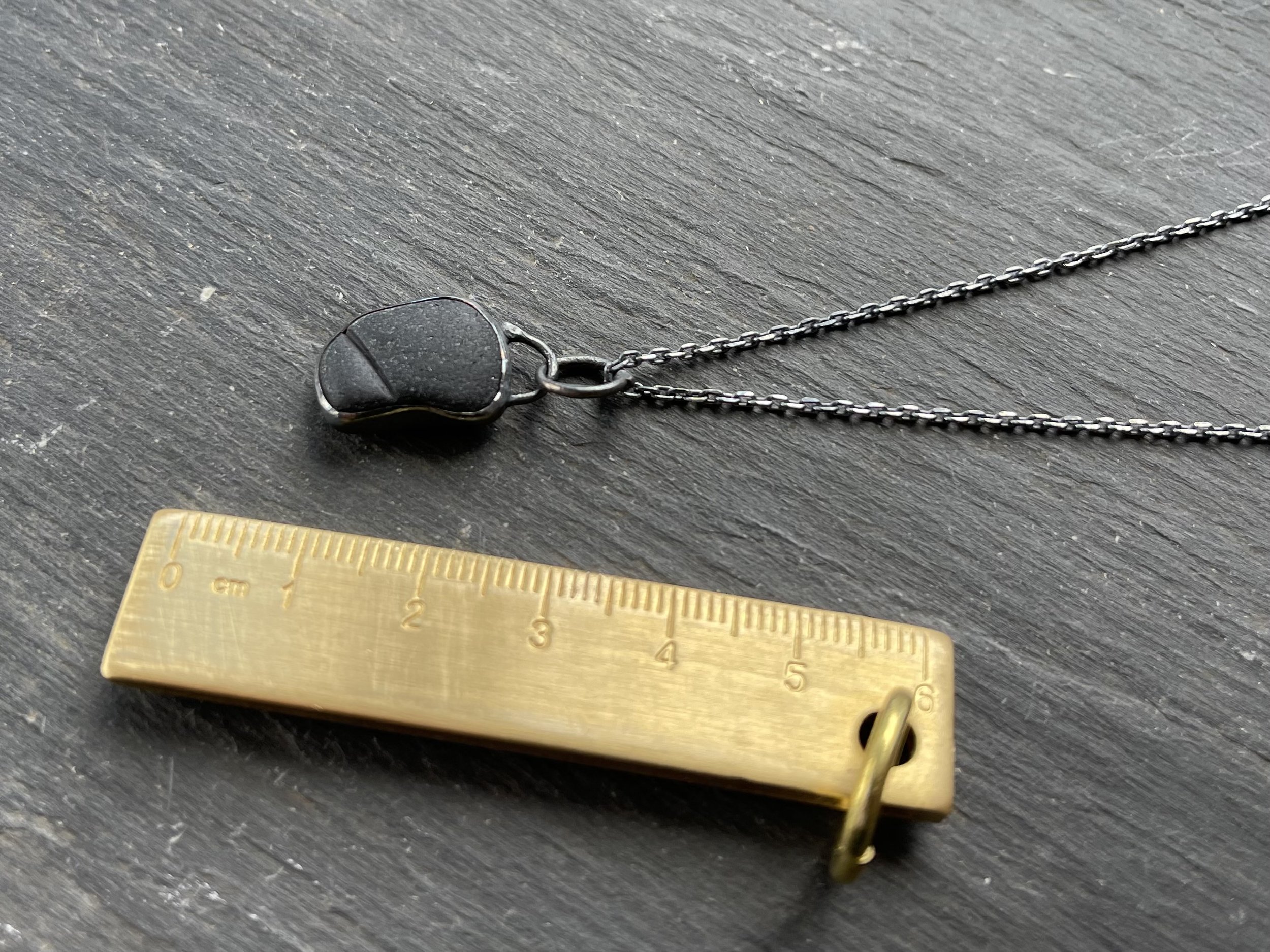
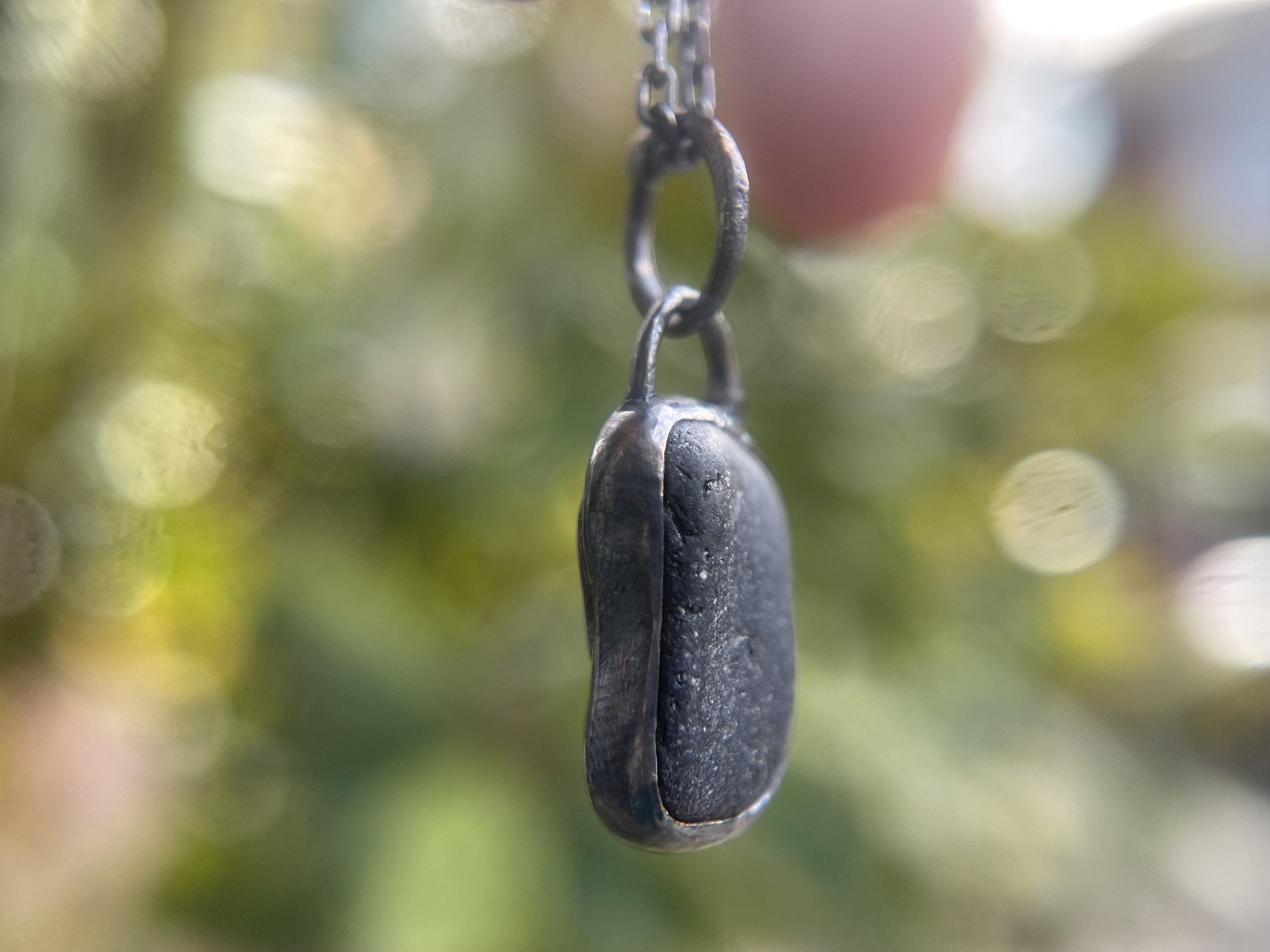
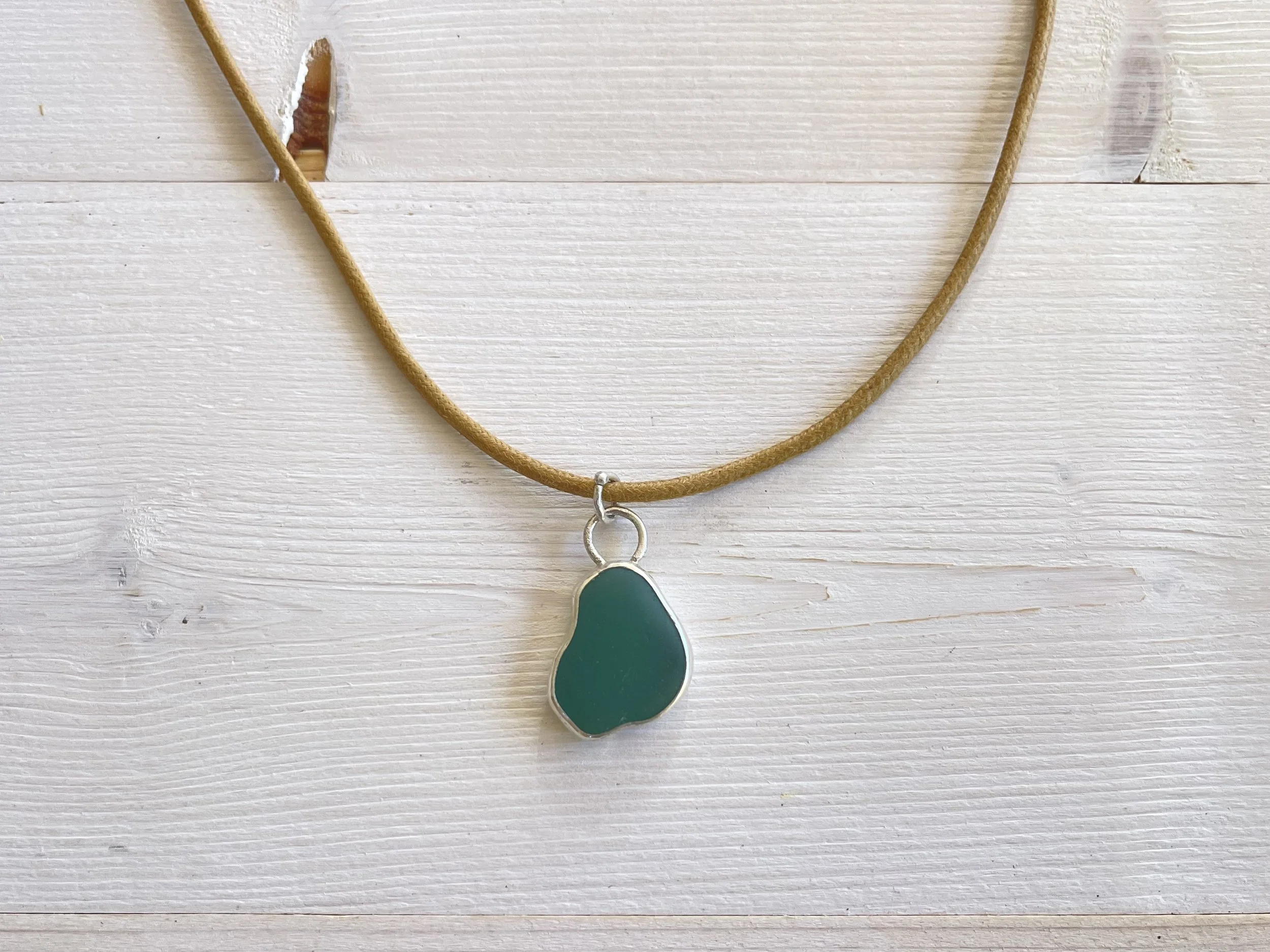
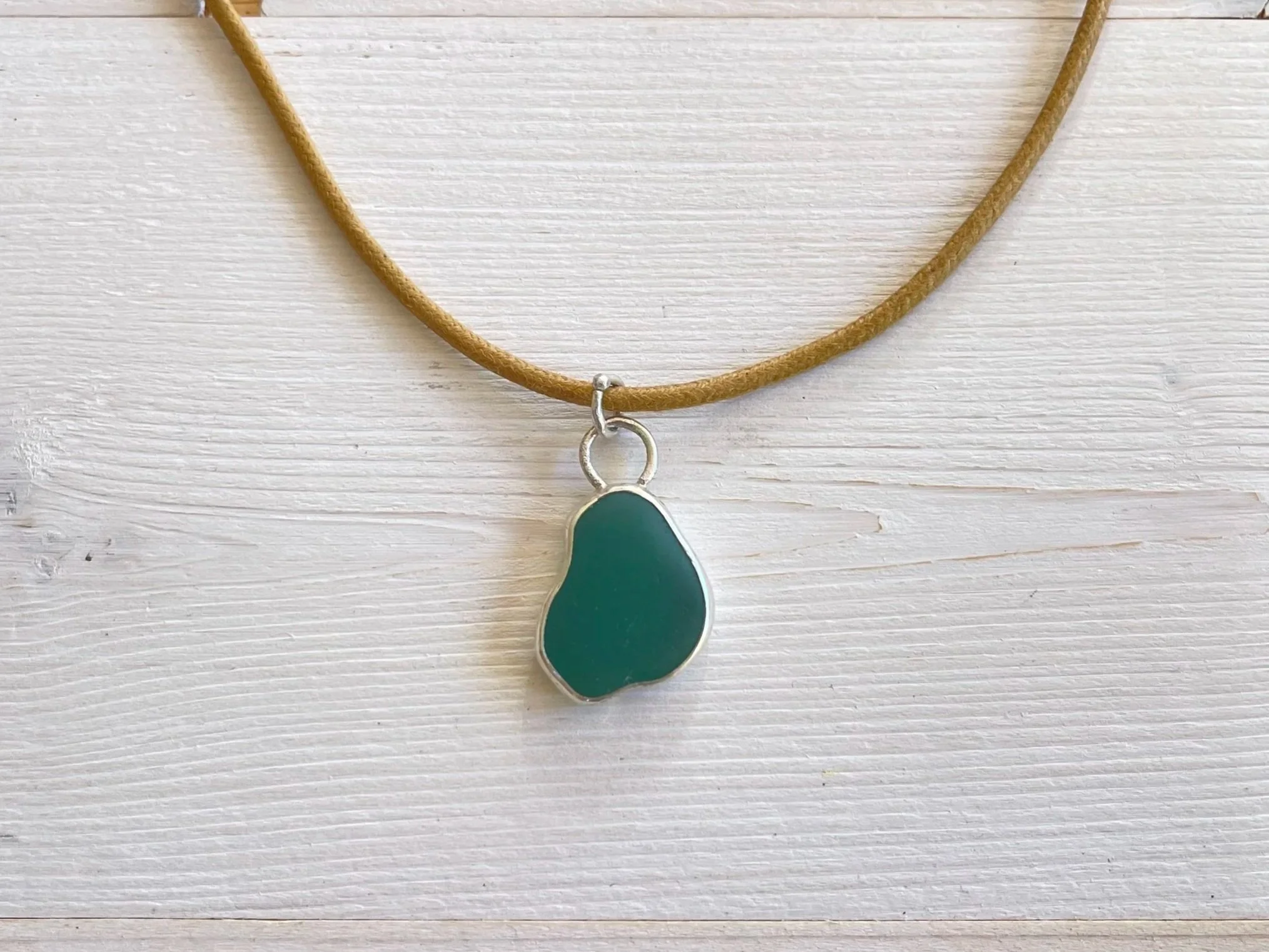
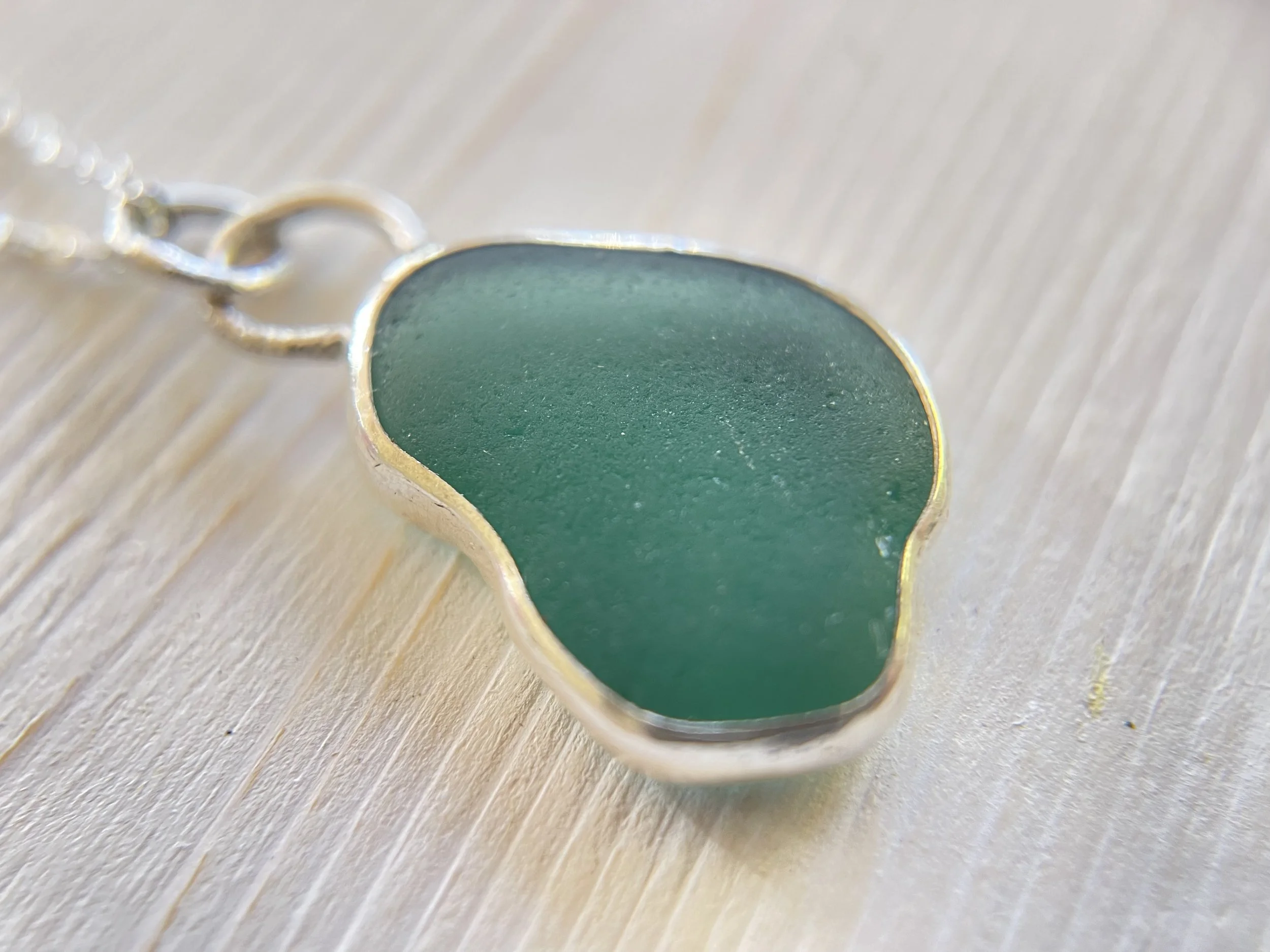
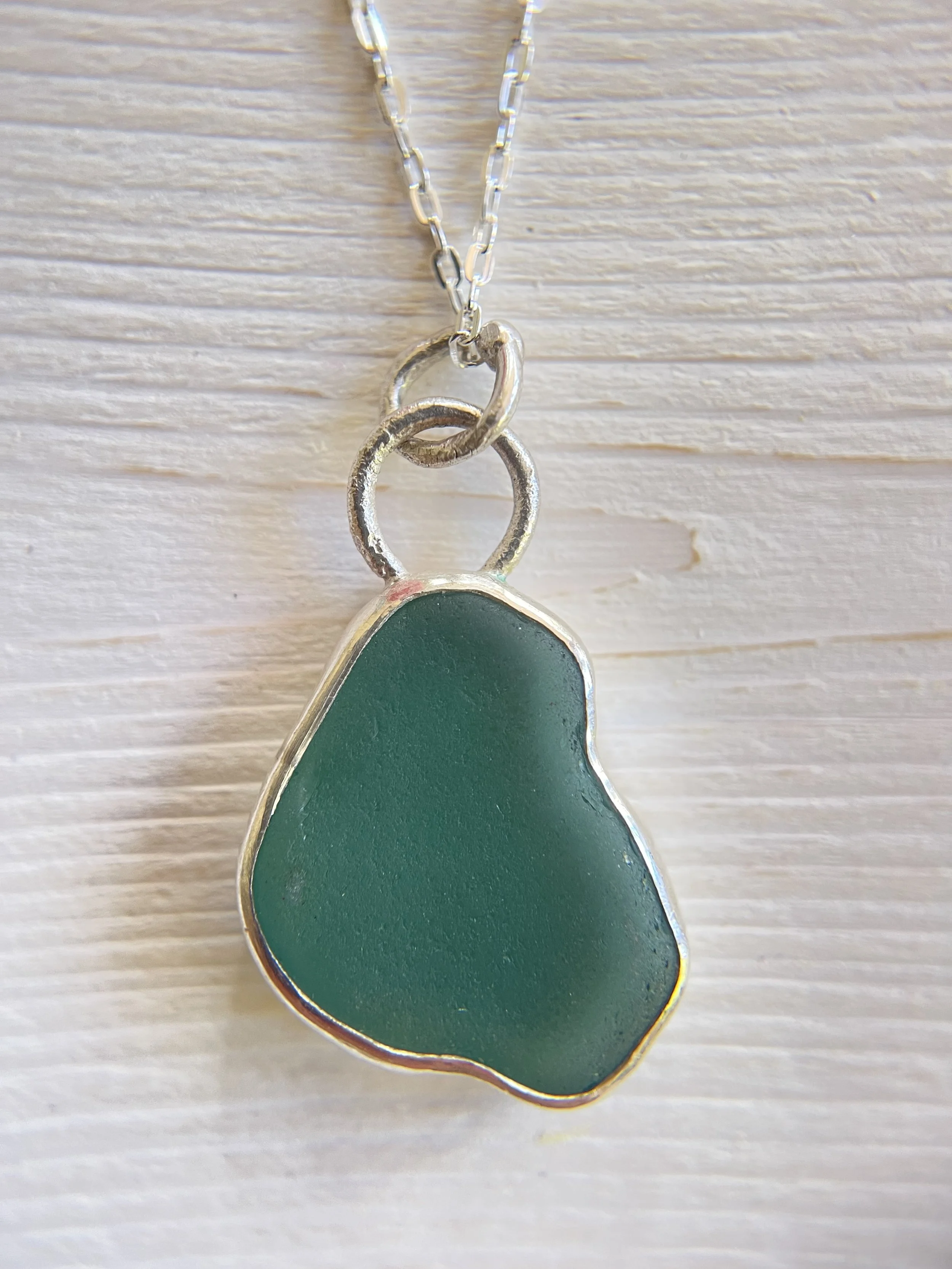
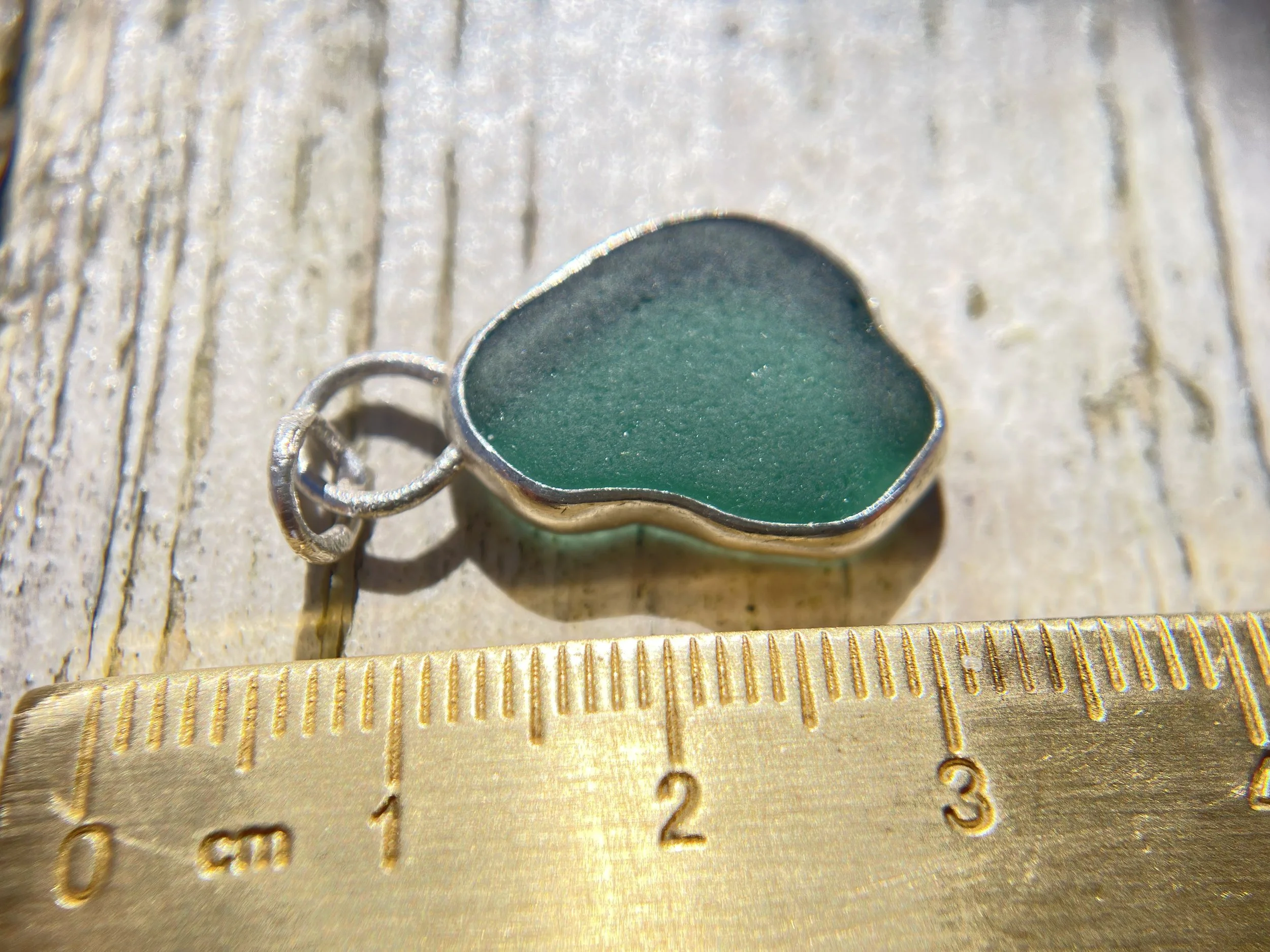
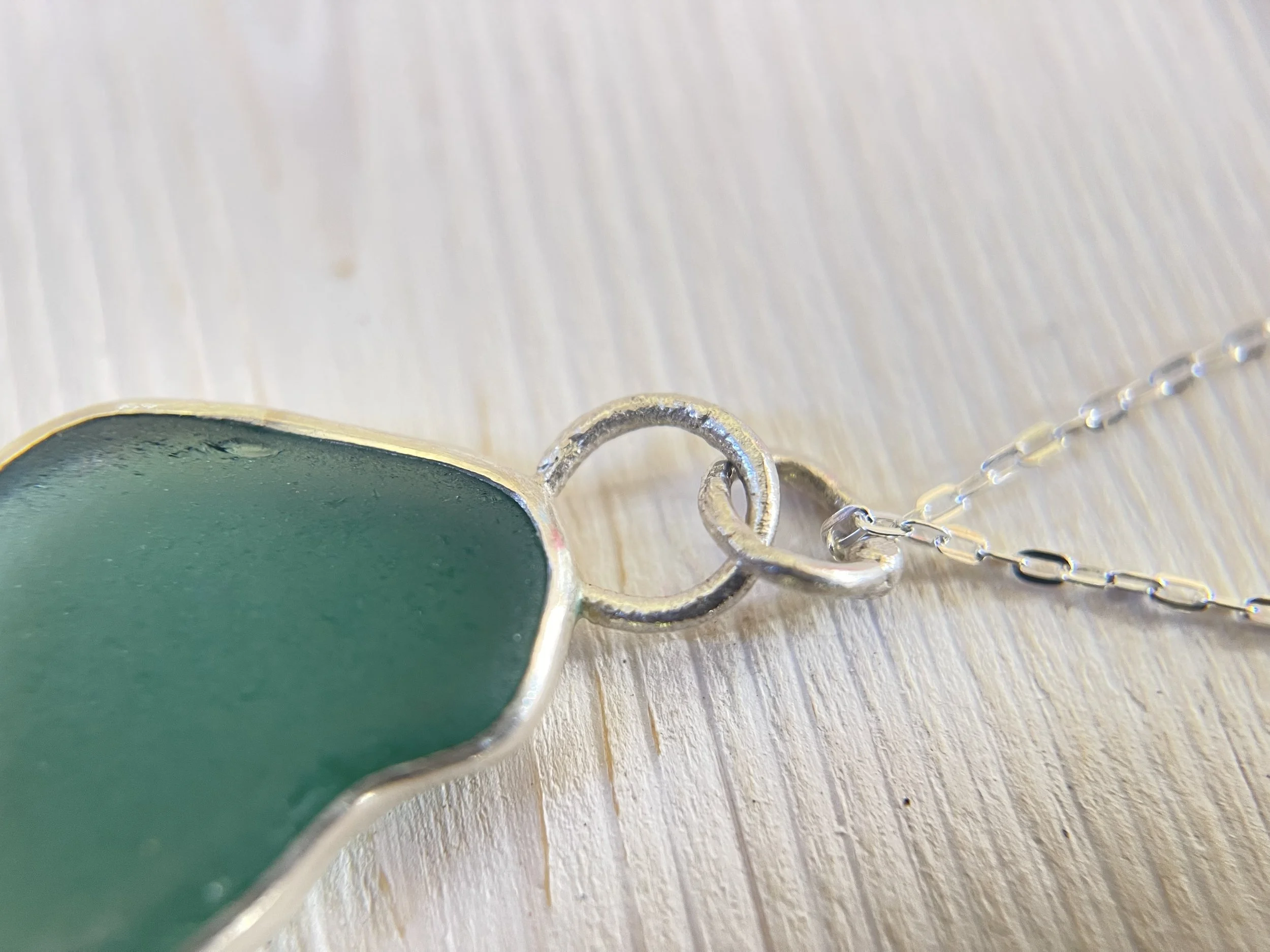
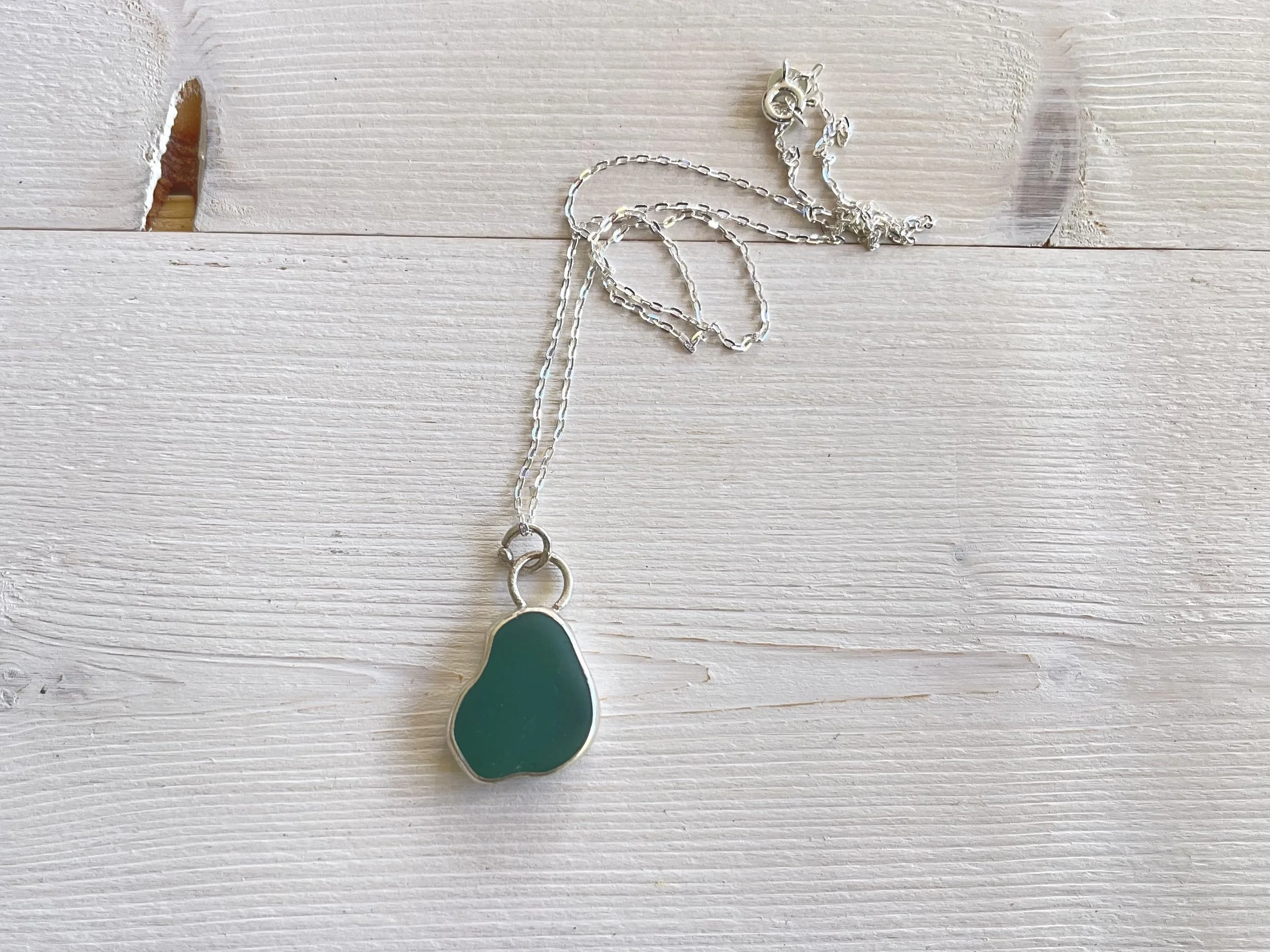
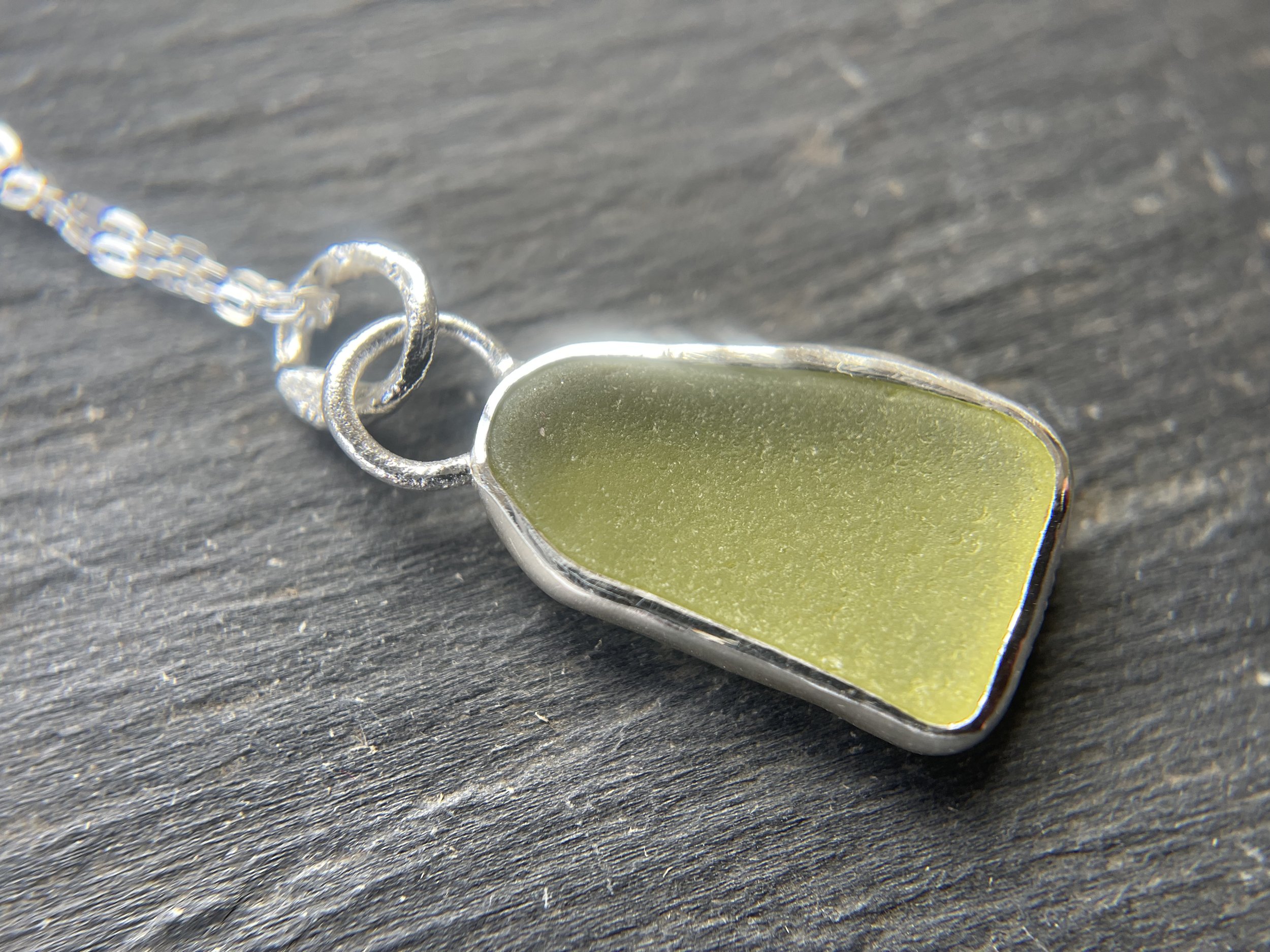
Measuring approximately 2cm, this elegant oblong shard of rare citron sea glass possesses a bright, zesty yellow-green hue that instantly captures the light. Cradled in handcrafted recycled sterling silver, it forms a subtle yet captivating piece of ocean history for wild swimmers, surfers, and coastal lovers. Designed for durability through all your coastal adventures.
Watch the Hunt:Curious where this piece was found? Watch our beachcombing vlog on YouTube to see the exact coastal shores where our genuine sea glass is discovered.
THE RARE HISTORY OF CITRON SEA GLASS
Citron is a prized colour among sea glass collectors, accounting for roughly 1 in every 250 to 500 pieces discovered. Neither pure yellow nor standard green, this distinct zesty shade was favoured during the 20th century for vintage wine bottles, as well as antique barber bottles, medicinal bitters, and ink wells. Glassmakers achieved this hue using copper, iron, or oxidised chromium within potassium-rich glass, producing a radiant glow under natural sunlight.
DETAILS & CRAFTSMANSHIP
✦ Material: Genuine Devon Sea Glass & Sterling Silver
✦ Rarity: Rare Citron / Yellow-Green (Approx. 1 in 250–500 find)
✦ Dimensions: Petite oblong design (approx. 20mm overall length)
✦ Chain Options: Choose from 18" delicate silver chain or 20"/22" chunkier unisex silver chain
✦ Origin: Beach combed in Devon, hand-forged in England
THE VICTORIA GRACE STUDIO SIGNATURE
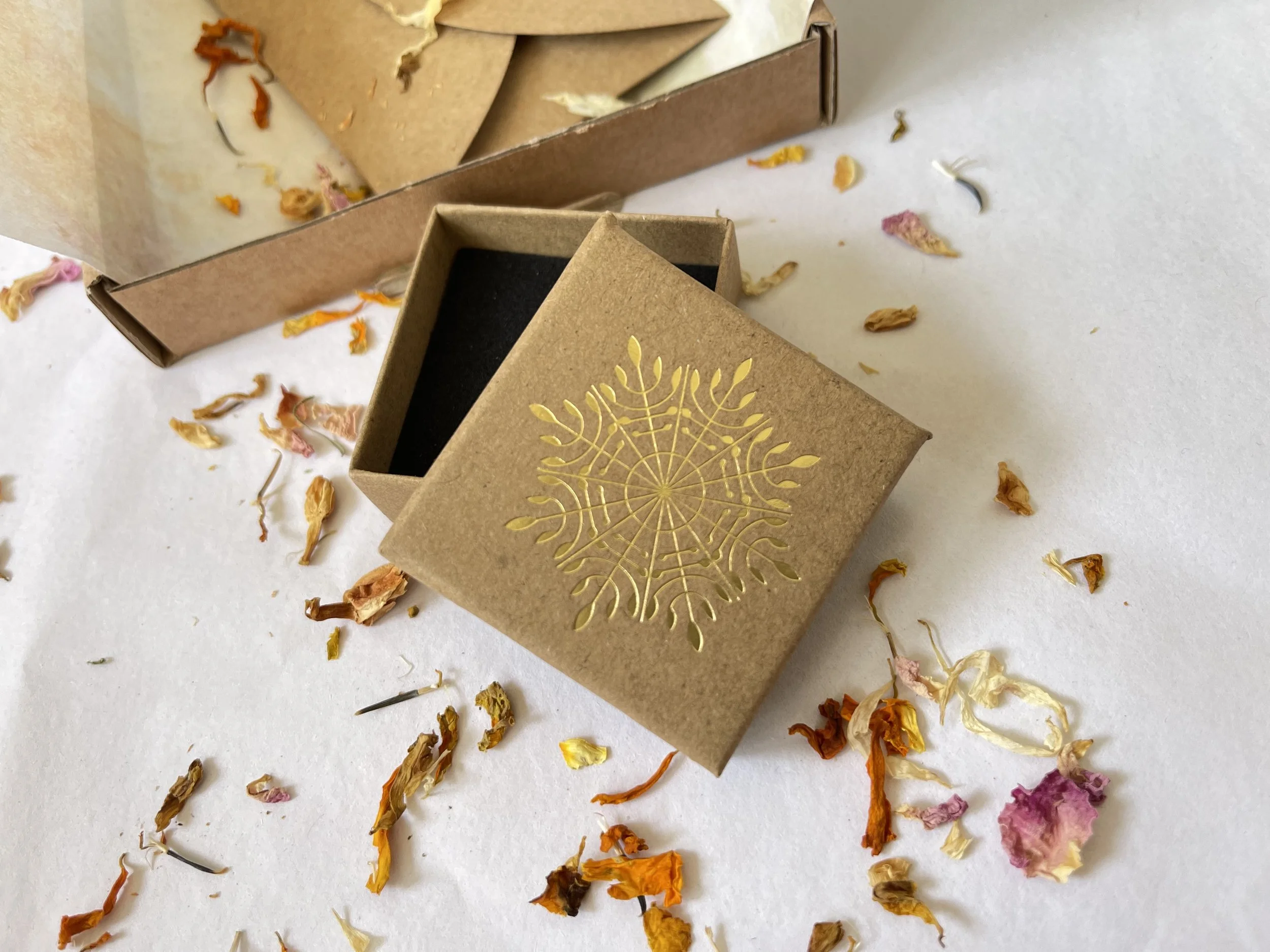
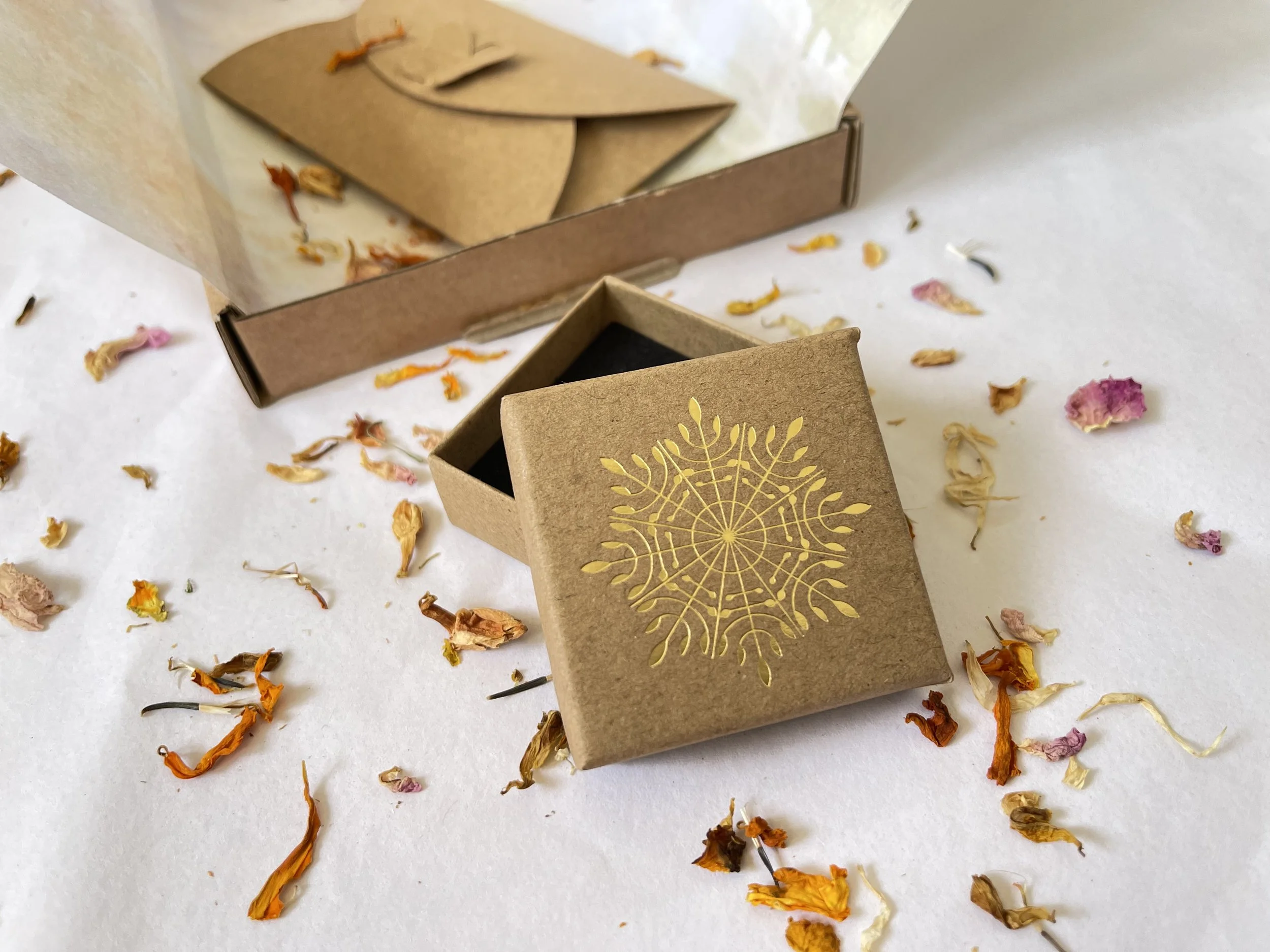
Every order is hand-packaged with a complimentary care kit and our signature embossed gift box—ensuring your silver stays as radiant as the day it was forged.
Your care kit includes:
✦ Professional Polishing Cloth: A treated cloth to remove oxidation and restore shine.
✦ Finishing Buffer: To maintain that high-lustre, artisan glow.
✦ Anti-Tarnish Tab: To protect your silver from the elements when not being worn.
✦ Airtight Storage Pouch: To prevent scratching and further slow the natural tarnishing process.
✦ Care Instructions: A simple guide to keeping your jewellery beautiful for years to come.
Ready to Dispatch: This unique piece is fully crafted and ready to ship within 1–3 working days.
-
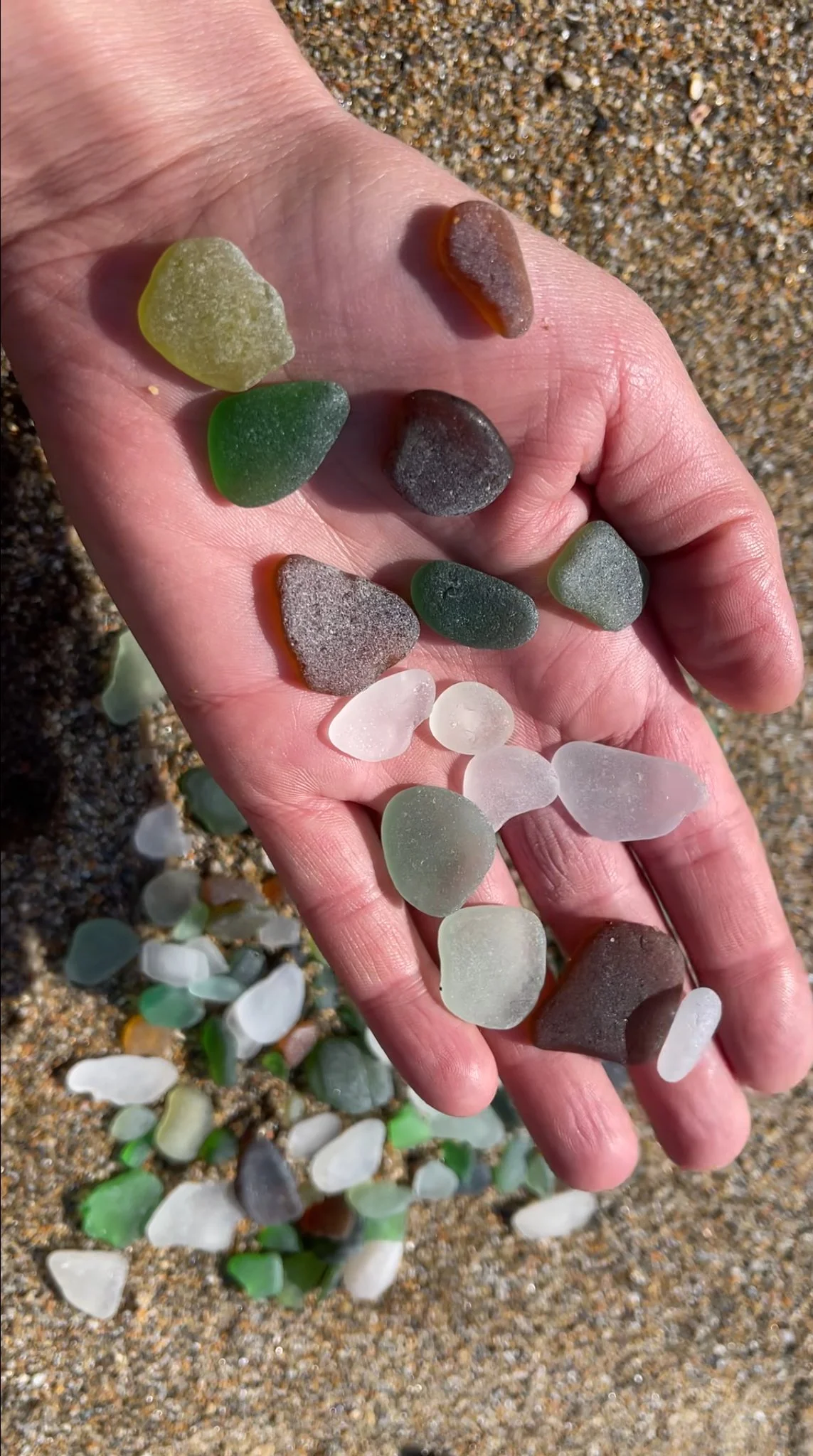
Sea glass was once made from sand itself, mixed with soda and lime to produce glass. Created and then discarded by man, weathered once more by Mother Nature, its sharp edges rounded and surface etched by the salt water, finally washing back up on sandy shores as beautiful coloured sea glass jewels. Sea glass is becoming an increasingly rare treasure as less glass bottles are produced in a more limited colour range and recycling has increased. The majority of sea glass was originally vessels used by our ancestors then cast into the oceans.
-
Sea glass takes 50-100 years to form, and even older pieces can be discovered in historic sites. Strong movement of the tides and waves across rough sand and stone conditions the sharp edges of the glass fragments, and prolonged exposure to salt water corrodes the surface giving the beautiful frosted patina of weathered sea glass.
The frosted surface of the sea glass is created over many decades by a process called hydration. The hydrogen in water replaces the sodium ions (soda) in the glass creating sodium hydroxide, which is then leached from the surface of the glass, beginning the process of corrosion.
The recognisable c shaped pattern on the surface is due to the hydration process extracting small circular shapes, and is a great tell tale for old glass, as well as verifying pure sea glass from imitation.
-
Prior to the early 1900s glass containers were blown by hand, until the birth of the automated glass bottle machines. By the 1960s plastic and metal containers had become so successful that the glass industry was impacted and production severely reduced, beginning the decline of sea glass.
Less common colours are primarily from before the 20th century, including red, yellow, turquoise, teal, black and citron, and most are treasured by sea glass hunters. It also provides valuable information about the possible age of the piece - most rugged black glass dates to pre mid-1800s.
Yellow green ‘Vaseline glass’ could be re 1930, and ribbed soft green pieces common to Coca Cola bottles 1915-1970. Cornflower blue could be a milk of magnesia bottle from early to mid 1900s.
Extremely rare colours: Orange, red turquoise, yellow, black, teal, grey
Rare colours: Pink, aqua, cornflower blue, cobalt blue, opaque white, citron, purple
Uncommon colours: Soft green, soft blue, forest green, lime green, golden amber, amber, jade
Common colours: Brown, white, kelly green
-
Making pieces of jewellery for you to wear from the sea glass that I have collected myself, from hours of scouring and sifting through sand and pebbles whilst listening to the crash of the waves on the shore and the salty wind in my hair is the most exhilarating process for me as a jeweller.
The journey from discovery to making means that whilst I work at the jewellery bench to create these individual pieces, I remember the place I found each piece of glass, the colour of the ocean, the feeling of the sun, the memories from that day. I hope you find joy in your own memories of the sea as you wear your ocean jewel.
In collecting these sea glass miracles and working them by hand into jewellery, they are imbued with the power of the ocean that made them and the possibility of man and nature intertwined, to be carried by you everyday as you are adorned by the jewels of the sea itself.
-
Made to be worn by you in the sea and out your jewellery is easy to look after. You can use the included polishing cloth to buff the silver setting, or clean the whole pendant in warm water and soap. Antiqued silver won’t need any polishing as that would remove the finish.
The sea glass itself needs no special treatment, but if you like you can rub in a drop of olive oil to bring out the colour, or leave it as it is to enjoy to sea frosted patina.
-
Your sea jewellery will arrive in a branded box complete with polishing cloths and care instructions ready to be gifted. To include a message just send an email with your order number and message.
-
Item description